
Space is simple

  • 4.6 billion years ago
  • 8 planets
  • 200 satellites
  • 5 dwarf planets

About space

The Solar System formed approximately 4.6 billion years ago

And almost all of its mass (99.86%) is concentrated in the Sun.

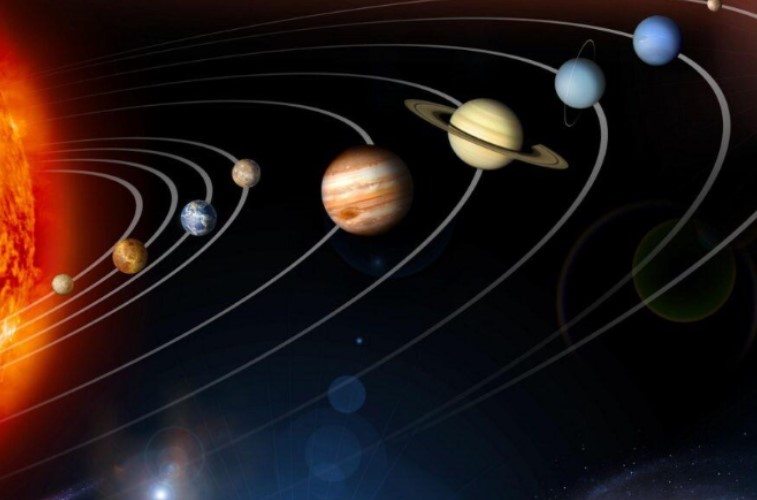
The system includes eight planets, over 200 satellites, and five dwarf planets. Light travels from the Sun to Earth in approximately eight minutes. Jupiter is the largest planet, and Saturn is known for its rings.

  • 4.6 billion years ago
  • 8 planets
  • 200 satellites
  • 5 dwarf planets

SPACE INFO

Amazing facts about the solar system

The closest planet to the Sun is Mercury. ... Jupiter protects Earth from meteorites and asteroids. ... The coldest planet in the solar system is Uranus. ... Voyager 1, launched in 1977, was the first spacecraft to leave the solar system.

Сертификат

This is interesting

How old is our solar system? About 4.6 billion years ago, a giant cloud of dust and gas known as the Solar Nebula collapsed in on itself and began to form what would eventually become the Sun and planets of the Solar System. Meteorites, or pieces of space rock that fell to Earth, have helped scientists determine the age of the solar system. Some of these small pieces broke off from moons or planets, and they can provide interesting scientific information about the chemistry and history of their parent body.
Eleanor Max
Expert in space
How old is our solar system? About 4.6 billion years ago, a giant cloud of dust and gas known as the Solar Nebula collapsed in on itself and began to form what would eventually become the Sun and planets of the Solar System. Meteorites, or pieces of space rock that fell to Earth, have helped scientists determine the age of the solar system. Some of these small pieces broke off from moons or planets, and they can provide interesting scientific information about the chemistry and history of their parent body.
Eleanor Max
Expert in space
How old is our solar system? About 4.6 billion years ago, a giant cloud of dust and gas known as the Solar Nebula collapsed in on itself and began to form what would eventually become the Sun and planets of the Solar System. Meteorites, or pieces of space rock that fell to Earth, have helped scientists determine the age of the solar system. Some of these small pieces broke off from moons or planets, and they can provide interesting scientific information about the chemistry and history of their parent body.
Eleanor Max
Expert in space

Contact info

Get in touch

Questions?

Drop us a line